Introduction

Solitaire is more than just a classic card game — it’s a great way to unwind and stimulate your mind, especially in today’s fast-paced world. With its easy accessibility and nostalgic appeal, solitaire has become a staple mobile game across generations. But did you know that playing Solitaire on your phone can offer several health benefits as well? This article delves into how this simple, solitary activity can positively impact your mental well-being.
Cognitive Stimulation and Brain Health
Memory Retention and Logical Thinking
Solitaire challenges players to remember card sequences, plan future moves, and anticipate outcomes, all of which actively engage the brain’s memory centers. Regular gameplay can enhance both short-term and working memory, particularly beneficial for adults looking to maintain cognitive sharpness.
Pattern Recognition and Strategy Development
Recognizing patterns is crucial in Solitaire. Players constantly evaluate suits, numbers, and sequences to develop winning strategies. This cognitive process improves analytical thinking and problem-solving abilities, which can translate into better decision-making in real life.

Preventing Cognitive Decline in Older Adults
Studies suggest that mentally stimulating activities like Solitaire can delay the onset of dementia-related symptoms. Engaging in these low-pressure but mentally demanding games helps keep the brain agile, making it a valuable tool for older adults seeking preventive cognitive care.
Stress Relief and Emotional Regulation
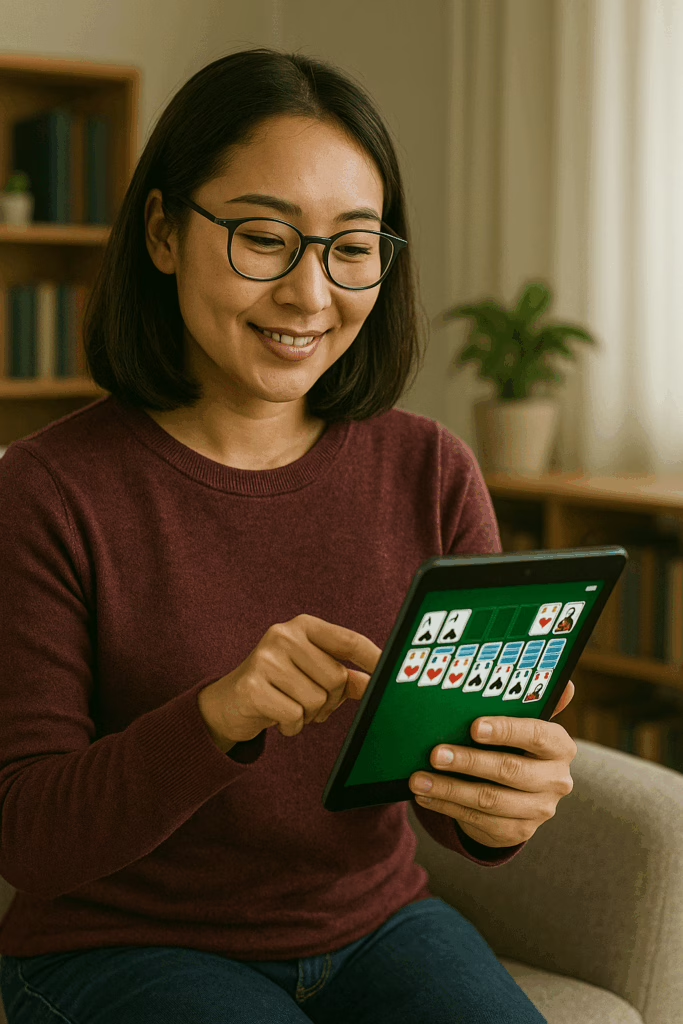
How Repetitive Play Induces Calm
The rhythmic nature of Solitaire — dragging, dropping, flipping cards — can have a meditative effect. This repetitive interaction soothes the nervous system and helps ease mental restlessness, making it an ideal stress-relief tool.
Solitaire as a Digital Meditation
Unlike chaotic, high-stakes games, Solitaire offers a quiet mental space. It allows users to enter a flow state where they lose track of time and escape stressors, much like traditional mindfulness practices. This makes it a powerful option for mental reset during hectic days.
Emotional Control through Low-Stakes Gaming
Since Solitaire is self-paced and non-competitive, it doesn’t trigger anxiety or frustration often associated with multiplayer or time-based games. The forgiving nature of the game promotes emotional resilience and helps users regain a sense of control.
Boosting Focus and Attention Span
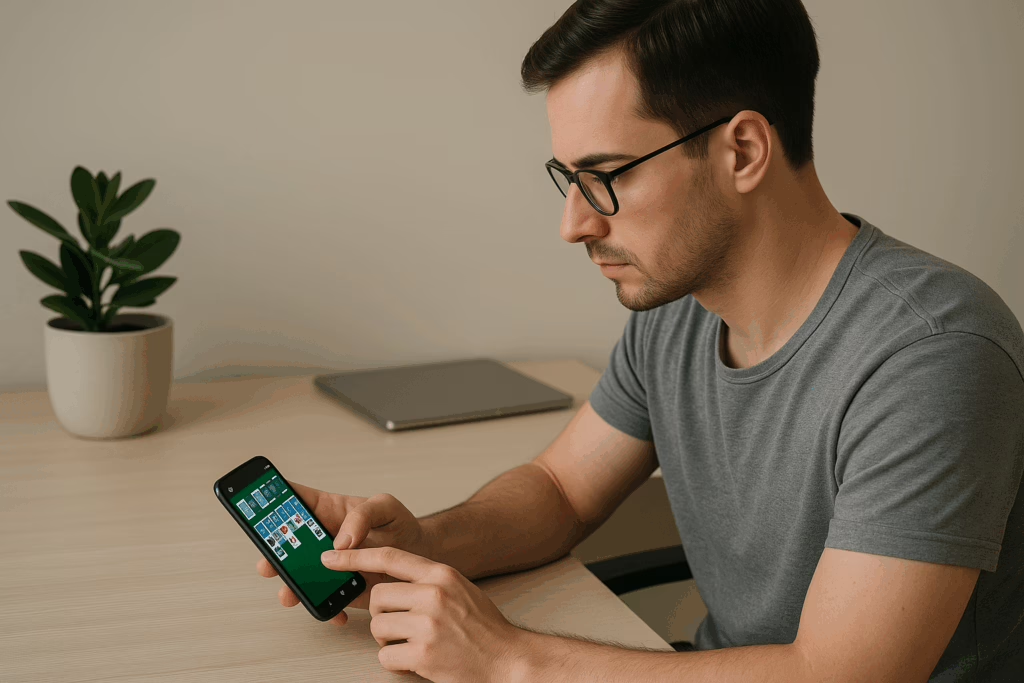
Building Single-Tasking Muscle in a Multi-Tasking World
In a digital world that constantly demands multitasking, Solitaire offers a rare opportunity to practice single-task focus. Engaging with a solitary, goal-oriented game helps reinforce the brain’s ability to complete one task at a time, strengthening productivity and mental clarity.
Improving Concentration with Minimal Distractions
Unlike games filled with ads, pop-ups, or competitive chats, Solitaire typically maintains a clean interface. This allows players to enjoy longer periods of undistracted concentration, which is key for improving attention span in daily activities.
The Role of Micro-Wins in Sustaining Attention
Solitaire delivers small, satisfying rewards — flipping a card, clearing a row, finishing a round — that create a positive feedback loop. These micro-wins stimulate the brain’s reward centers, helping users stay engaged longer without the burnout of high-stakes gaming.
Solitaire and Routine Mental Wellness
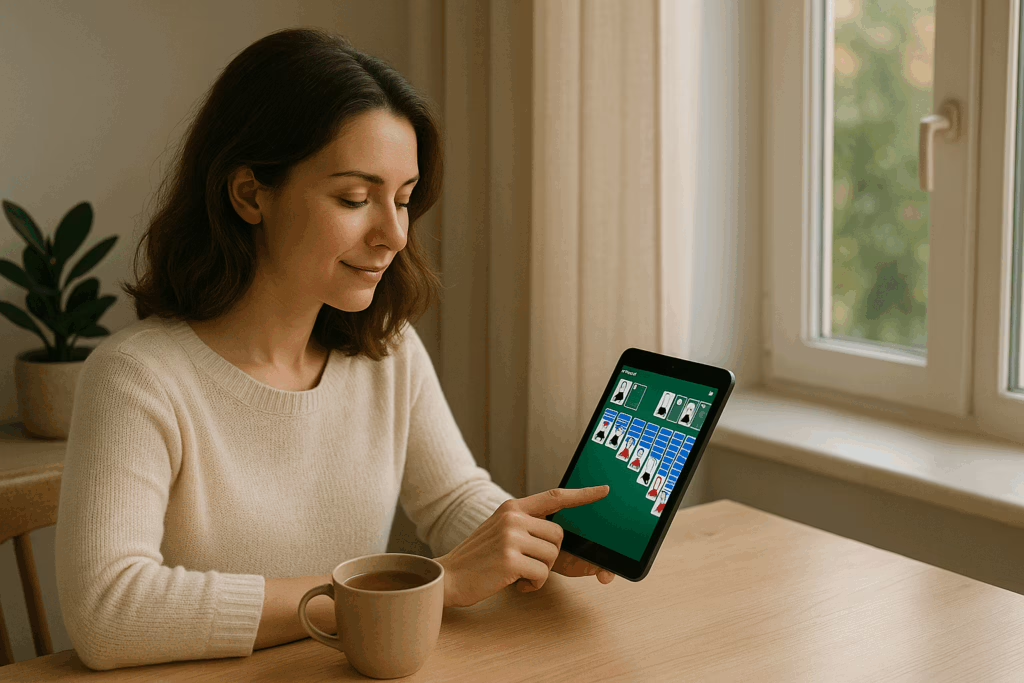
Using Solitaire as a Daily Mindfulness Practice
Just like journaling or meditation, Solitaire can become a mental wellness ritual. Spending even 10–15 minutes immersed in gameplay allows individuals to reset their thoughts, cultivate presence, and transition calmly between stressful parts of the day.
Habit Formation and Mental Anchoring
Creating a routine around Solitaire — such as playing after lunch or during a commute — can serve as a mental anchor. These anchors signal the brain to relax and shift out of “work mode,” helping establish a balanced daily rhythm.
Game Rituals That Foster Psychological Stability
From shuffling cards to restarting levels, repetitive rituals in Solitaire foster a sense of predictability and order. In uncertain or emotionally challenging times, these micro-rituals can enhance feelings of stability and safety.
Accessibility and Portability of Mobile Solitaire

Stress Management On-the-Go
Whether you’re in a waiting room, on a plane, or winding down after a meeting, Solitaire offers instant access to a relaxing activity. Its portability makes it a valuable tool for managing stress in real-time, wherever life takes you.
Lightweight Cognitive Exercise Anytime, Anywhere
Solitaire doesn’t require strong internet, large screens, or special equipment. This ease of access allows for lightweight brain stimulation without the pressure or complexity of other games — perfect for short, mindful breaks.
Instant Access to a Mental Reset Tool
Feeling overwhelmed or distracted? Opening Solitaire is like flipping a mental “reset” switch. With just a few taps, users can center themselves and return to daily tasks with renewed calm and focus.
Gamification and Motivation
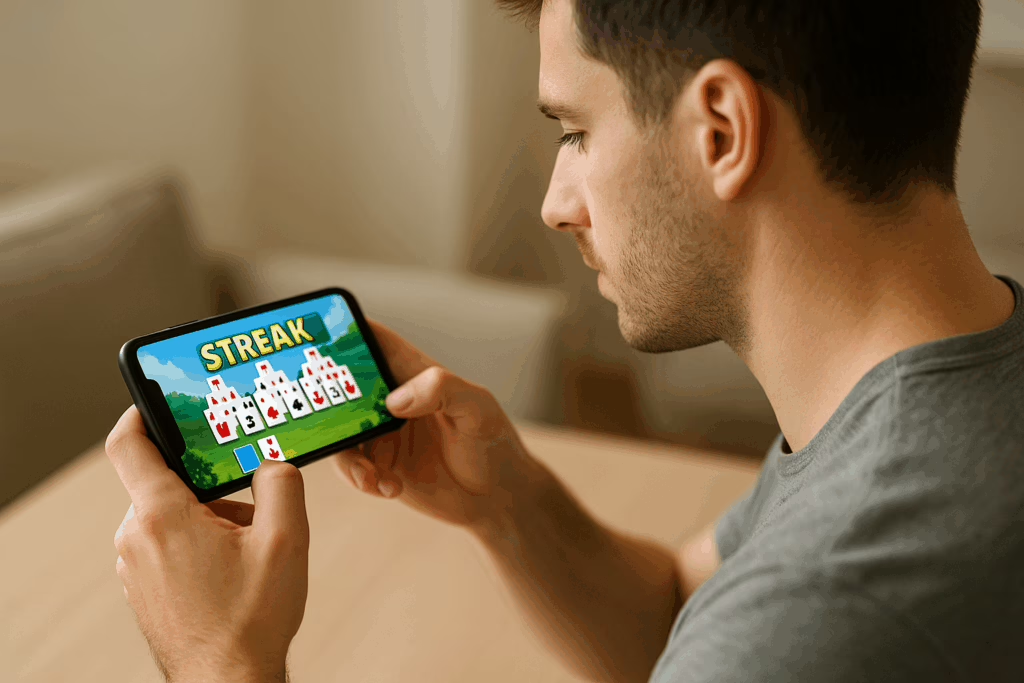
The Dopamine Effect of Leveling Up
Solitaire taps into the brain’s reward system by offering progression through wins, streaks, and scores. Each successful move or completed game triggers a dopamine release, making players feel accomplished and encouraging continued engagement.
Self-Competition and Personal Bests
Unlike social or multiplayer games that rely on external validation, Solitaire invites players to beat their own records. This self-competition boosts internal motivation and encourages healthy goal-setting without the pressure of leaderboards.
Motivation through Gentle Progression
Solitaire provides a gentle curve of increasing difficulty and reward. This sense of gradual advancement motivates users without overwhelming them, making it ideal for casual players who seek growth without stress.
Comparing Solitaire to Other Mobile Games
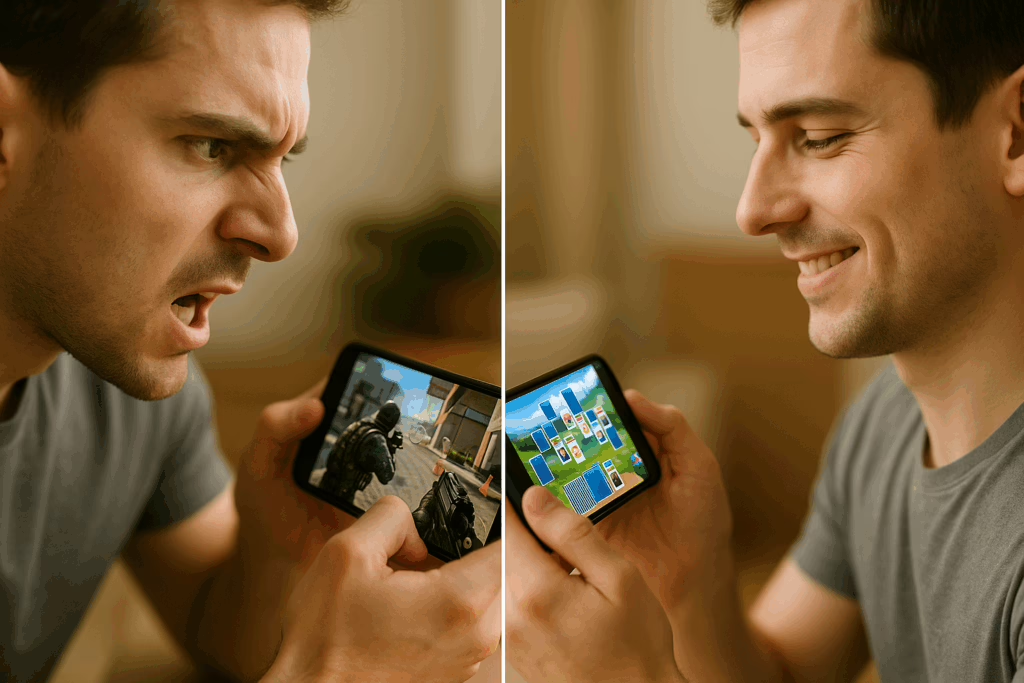
Why Solitaire is Less Addictive Yet More Beneficial
Solitaire doesn’t rely on aggressive monetization tactics or dopamine overdrive like many mobile games. Its slower pace and lack of constant external triggers make it less likely to foster addiction while still providing engagement and reward.
Cognitive Load Differences with Fast-Paced Games
Fast-paced games often demand quick reflexes, multitasking, and rapid decision-making. In contrast, Solitaire offers thoughtful, strategic gameplay that challenges cognitive skills without causing mental fatigue or anxiety.
Solo Play vs. Competitive Pressure
Many mobile games involve social pressure, rankings, or direct competition, which can create performance anxiety. Solitaire eliminates this by being a private, solitary game where users set their own pace and rules, promoting relaxation over rivalry.
Testimonials and Anecdotal Evidence
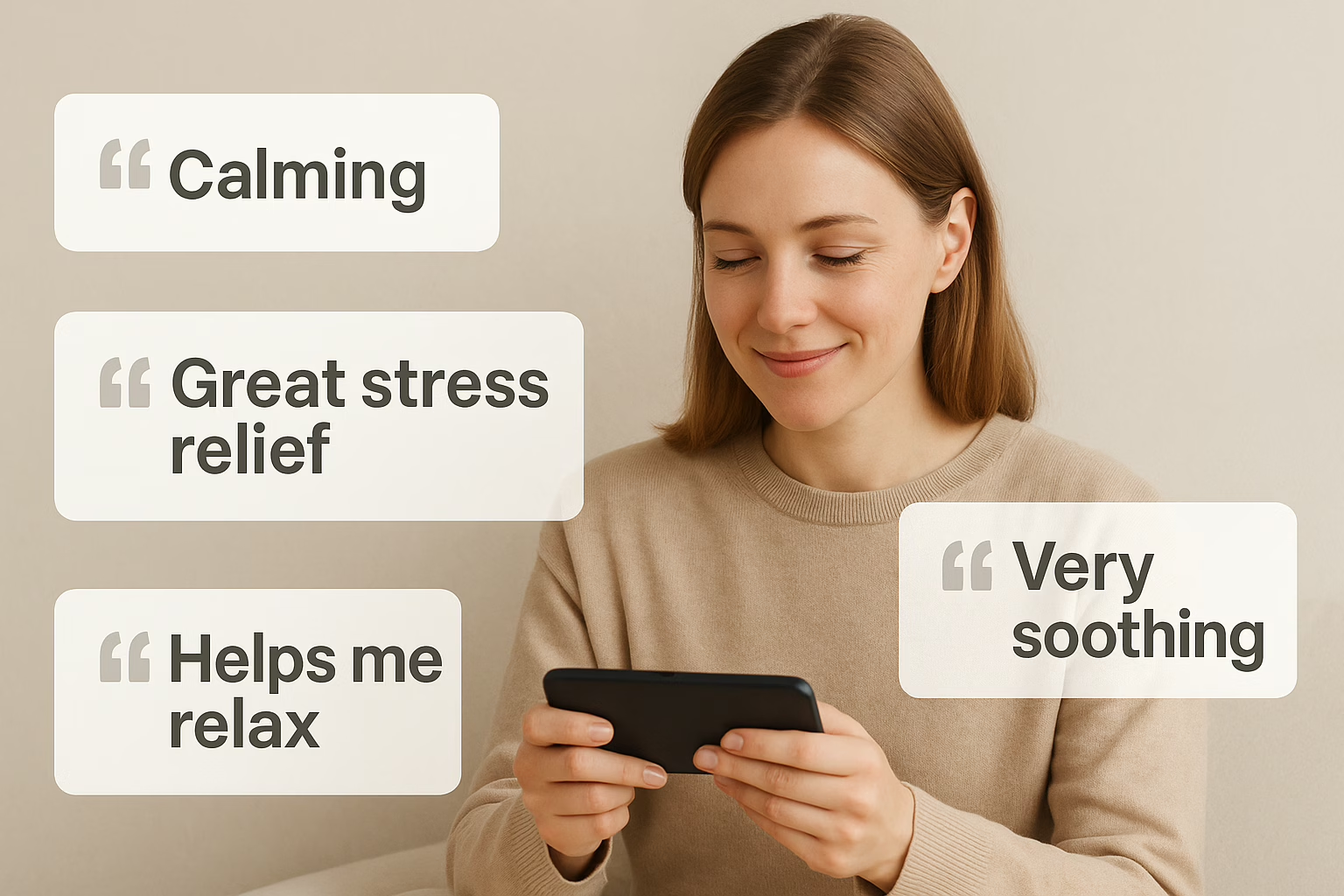
Stories from Real Players
Many players report that playing Solitaire helps them unwind, especially during stressful workdays or travel. Some say it’s become a cherished daily ritual that brings peace and focus when they need it most.
Quotes from Mental Health Professionals
Therapists and wellness coaches often recommend simple, self-directed games like Solitaire as a tool for anxiety management and mental reset. These experts highlight the value of low-stimulus environments for supporting emotional regulation.
User Reviews Highlighting Stress Relief Benefits
App store reviews for popular Solitaire apps frequently mention the calming, therapeutic effects of gameplay. Users describe it as “the perfect way to clear my mind” or “my go-to game for a quick mental breather.”
Scientific Insights and Studies
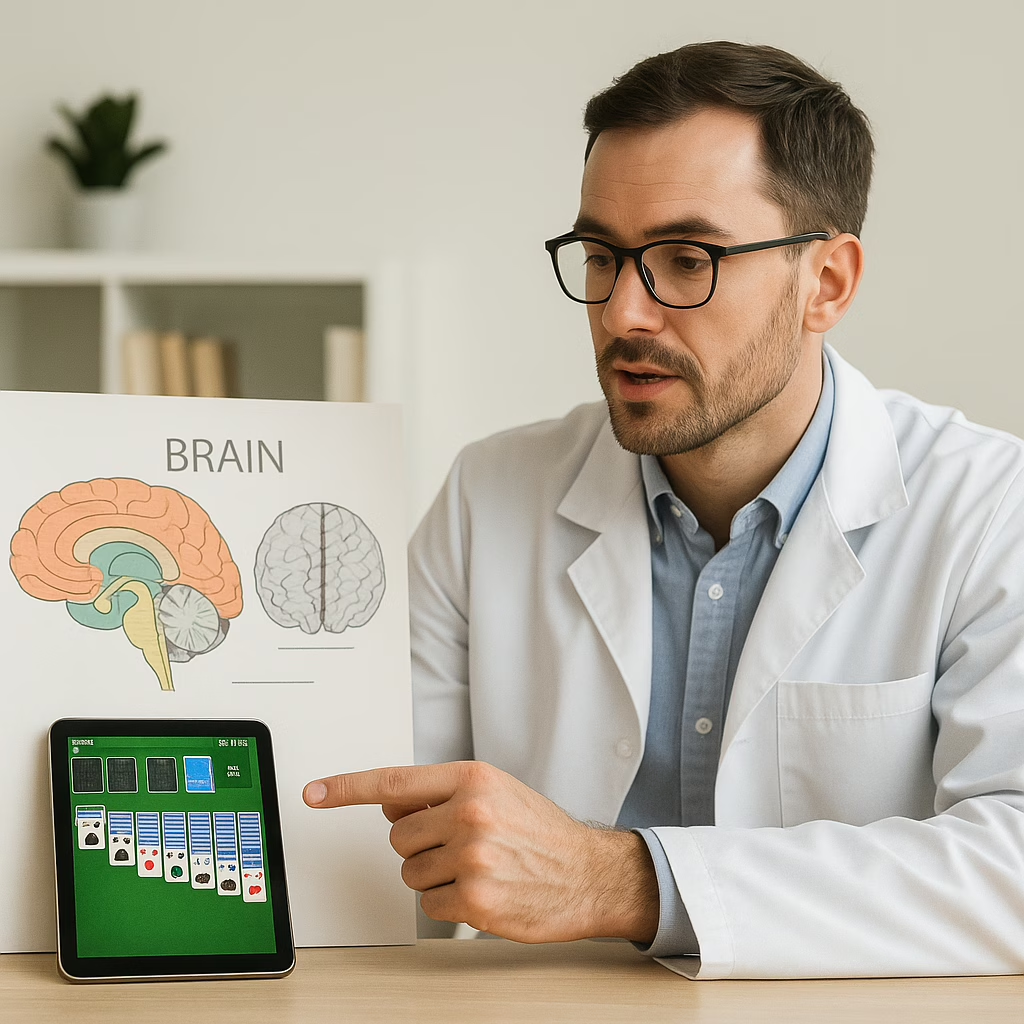
Research on Puzzle Games and Mental Health
Numerous studies have shown that puzzle-based games like Solitaire enhance cognitive flexibility and reduce stress. Engaging in mentally stimulating yet low-pressure tasks improves problem-solving skills and offers therapeutic value for people managing anxiety and depression.
Studies Supporting the Benefits of Solitary Play
Solitary activities have been found to increase emotional self-awareness and mindfulness. Research confirms that quiet, focused tasks like Solitaire can enhance introspective thinking and emotional balance by reducing external distractions.
Expert Opinions from Psychologists and Neuroscientists
Experts in neuropsychology frequently recommend cognitive games as tools for healthy brain aging. Solitaire, in particular, is praised for its structure, pacing, and the low cognitive load it requires to stay engaging yet manageable.
Tips for Maximizing Health Benefits While Playing
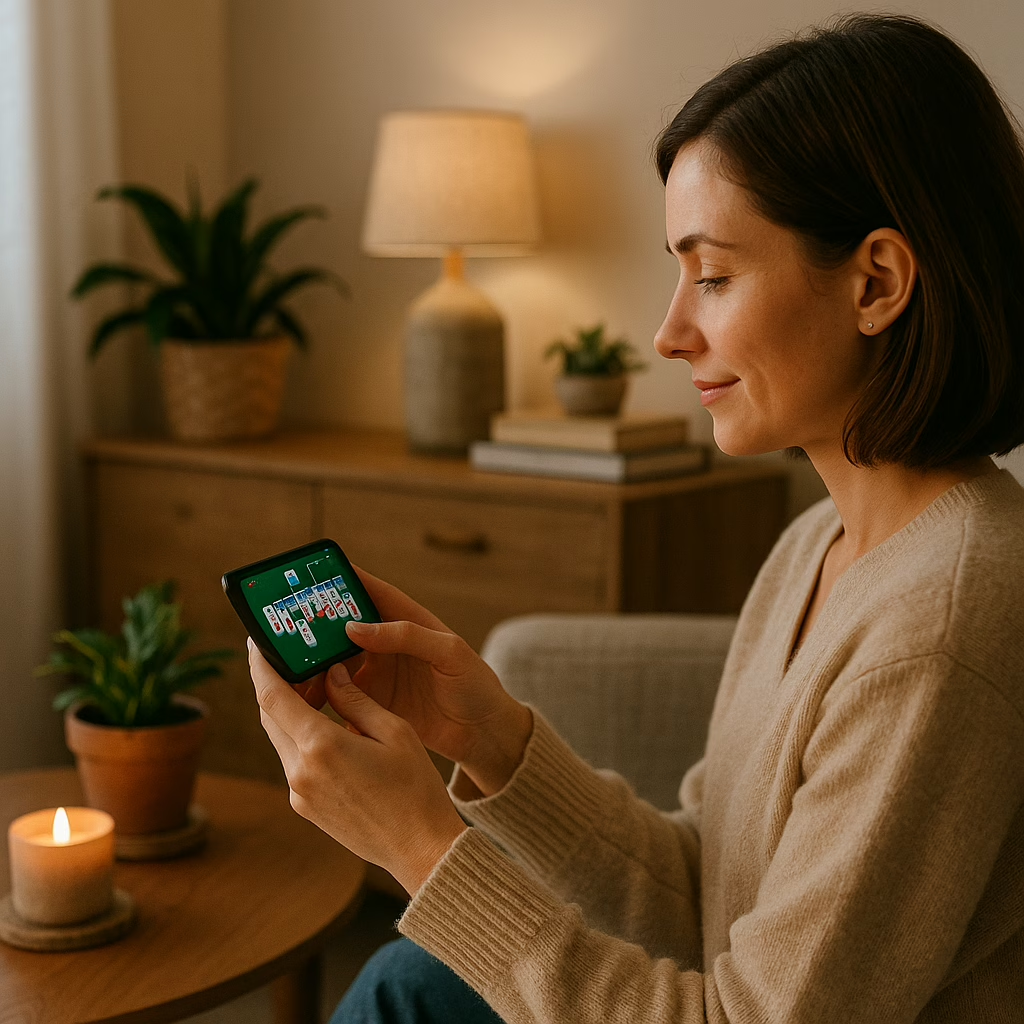
Setting Time Limits for Healthy Play
To get the best out of Solitaire, avoid excessive gameplay. Set time boundaries — like one or two sessions daily — to enjoy the calming benefits without slipping into avoidance or procrastination habits.
Choosing the Right Solitaire Variants
Some versions of Solitaire, like Tripeak, Klondike or Spider, are better suited for mental stimulation due to their complexity. Pick a variant that challenges you without causing frustration to maximize cognitive engagement.
Creating a Relaxing Environment for Gameplay
For best results, play in a quiet, comfortable setting with minimal distractions. Dimming the lights, using calming background music, or sitting in a familiar spot can amplify the therapeutic effect of the game.
Integrating Solitaire into a Holistic Wellness Routine
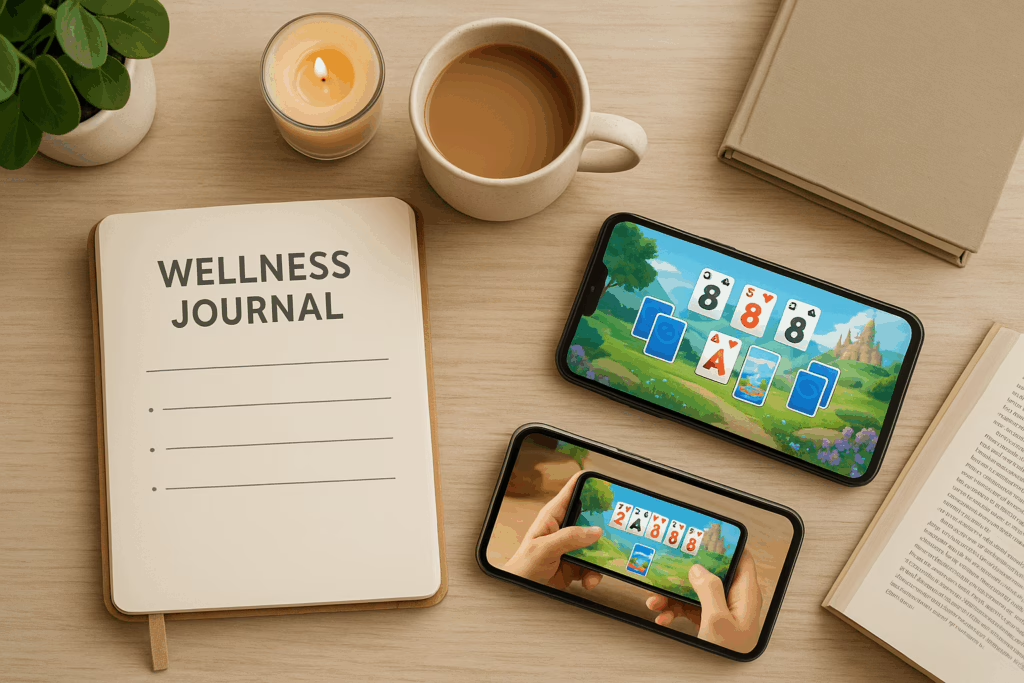
Pairing with Meditation or Journaling
Solitaire works beautifully alongside other wellness practices. Try starting with meditation, journaling your thoughts, and then playing Solitaire to ease into your day or transition out of stress.
Using Gameplay as a Break During Work
Incorporating short Solitaire sessions between meetings or work blocks can act as a restorative microbreak. It clears the mind, reduces stress hormones, and improves post-break productivity.
Blending with Other Brain-Healthy Activities
Combine Solitaire with a broader routine including puzzles, reading, nature walks, or creative hobbies. This ensures balanced cognitive stimulation and emotional wellness without overreliance on screens.
Conclusion
Playing Solitaire on your phone isn’t just a pleasant pastime — it’s a practical and effective way to support your mental and emotional well-being. From sharpening cognitive skills and reducing anxiety to boosting focus and forming healthy routines, this classic card game is packed with subtle yet powerful benefits.
In a world overloaded with distractions and stressors, Solitaire stands out as a quiet ally for mindfulness, resilience, and brain health.
FAQs
1. Is playing Solitaire actually good for your brain?
Yes! Solitaire encourages memory, pattern recognition, and strategic planning, all of which stimulate the brain and support cognitive longevity.
2. Can Solitaire help reduce anxiety?
Absolutely. The repetitive, solitary nature of the game promotes calm and mindfulness, making it ideal for reducing stress and anxiety.
3. How often should I play for the best benefits?
A short daily session — around 10–20 minutes — is often enough to gain cognitive and emotional benefits without becoming overly reliant on the game.
4. Are there better versions of Solitaire for mental stimulation?
Variants like Spider Solitaire or FreeCell offer more complex strategies, making them excellent choices for deeper mental engagement.
5. What’s the best time of day to play Solitaire for focus?
Early morning or mid-afternoon are ideal. These times help with transitions — either gearing up for the day or winding down from it.


